
Tooth Extractions
While we make every effort to save your natural teeth, sometimes an extraction is the best option for your overall oral health. Teeth may need to be removed if they are:
- Severely decayed or damaged beyond repair
- Affected by advanced periodontal (gum) disease
- Broken in a way that cannot be restored
- Poorly positioned, such as impacted teeth
- Removed to prepare for orthodontic treatment
Before recommending extraction, the doctor will discuss all alternatives and replacement options to protect your bite, jaw health, and appearance..
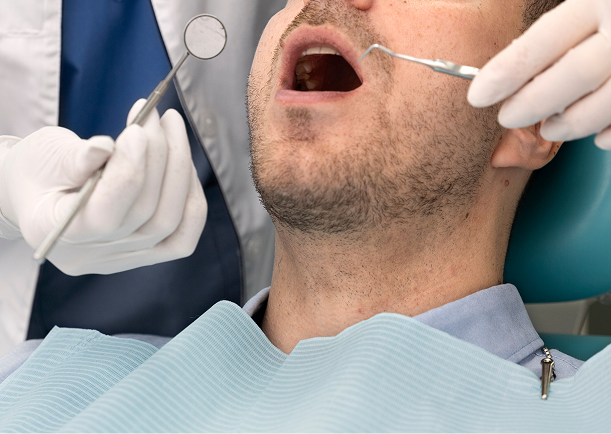
Why Careful Extraction Matters
Removing a tooth can affect chewing, jaw alignment, and neighboring teeth. Planning for replacement—such as a bridge, implant, or denture—helps maintain function and prevent long-term issues.
The Extraction Process
If you feel discomfort at any point, let us know immediately so we can adjust your care.
Anesthesia
The tooth, surrounding bone, and gums are numbed with local anesthesia for comfort.
Loosening the Tooth
Gentle pressure is applied to widen the socket so the tooth can be removed. You may feel pressure but not pain.
Sectioning if Needed
If a tooth is firmly anchored or has curved roots, it may be sectioned into smaller pieces for easier removal.
Post-Operative Care
How to Care for Your Extraction Site
Oral hygiene:
For the first 24 hours, do not rinse, brush, or spit forcefully—this allows a protective blood clot to form over the extraction site. Beginning the next day, gently rinse with warm salt water several times a day, especially after meals, to keep the area clean. Brush and floss your other teeth as usual, but avoid the extraction site until it begins to heal. Avoid using straws, commercial mouthwashes, or vigorous rinsing, as these can dislodge the clot and delay healing.
Diet:
Pain & swelling management:
Infection prevention:
If You Wear a Denture or Partial:
Follow-up appointments:
Post-extraction checkups are important. These visits allow us to confirm proper healing, remove sutures if needed, and ensure there are no complications.
With the right care and follow-up, your mouth can heal quickly and comfortably after a tooth extraction.
Tooth Extraction Care: Do’s & Don’ts
✅ Do’s
❌ Don’ts
- Keep gauze in place for the first hour to control bleeding.
- Rinse gently with warm salt water starting the day after surgery.
- Brush and floss your other teeth, avoiding the extraction site.
- Eat soft, cool foods like yogurt, smoothies, and mashed potatoes.
- Apply a cold compress for the first 24 hours to reduce swelling.
- Sleep with your head elevated to minimize discomfort.
- Take pain relievers and antibiotics exactly as directed.
- Remove dentures/partials at night and keep them clean.
- Attend all follow-up appointments.
- Don’t rinse, spit, or brush in the first 24 hours.
- Don’t use straws or smoke—suction can dislodge the clot and cause dry socket.
- Don’t floss or brush directly over the extraction site until cleared by your dentist.
- Don’t eat hot, spicy, hard, or crunchy foods in the first few days.
- Don’t drink alcohol, as it delays healing.
- Don’t ignore warning signs like severe pain, swelling, fever, or pus—call our office right away.
- Don’t wear dentures or partials full time unless advised—it can place pressure on the healing area.