Non-Surgical Root Canal Treatment

A root canal is one of the most common and effective dental procedures, with over 14 million performed every year. This simple treatment can save your natural tooth, relieve pain, and prevent the need for more involved procedures such as implants or bridges.

What is a Root Canal?

Inside each tooth is a soft center called the pulp, which contains blood vessels and nerves that help nourish the tooth. When the pulp becomes infected or inflamed—often due to deep decay, cracks, trauma, or repeated dental work—it can cause pain, swelling, or sensitivity to hot and cold.

If left untreated, the infection can spread and lead to tooth loss. A root canal removes the infected pulp, cleans the inside of the tooth, and seals it to restore strength and function.

Signs You May Need a Root Canal

How the Procedure Works

Most root canals can be completed in one or two visits. The success rate for this treatment is about 90%. You can typically drive yourself home afterward and resume normal activities the same day.

Step 1 – Diagnosis

Your dentist will examine the tooth and take X-rays to confirm if root canal therapy is needed.

Step 2 – Diagnosis
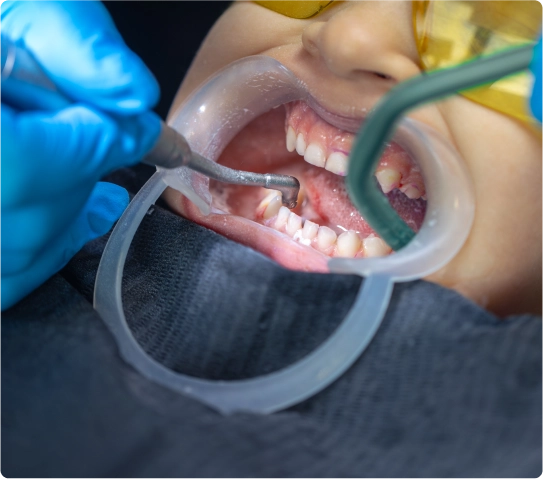

  • Local anesthesia is used for comfort; nitrous oxide (laughing gas) is available if needed.
  • The infected pulp is removed.

    The inside of the tooth is carefully cleaned and disinfected.
  • The space is sealed to prevent future infection.

After Your Root Canal

Once treatment is complete, we’ll send a record to your restorative dentist. Within a few weeks, you’ll return to them for a permanent restoration—usually a crown or filling—to protect the tooth and restore full function.

Complications are rare, but if you experience any discomfort or swelling, we are available to help. Continuing good oral hygiene will help protect your treated tooth for years to come.

Cost of Treatment

The cost of a root canal varies based on which tooth is affected and the extent of the infection. In most cases, a root canal is far more cost-effective than removing the tooth and replacing it with an implant or bridge.